

ISLANDOFSWALLOWS
While most documentaries about the cruise ship industry focus on corruption, scandals, or accidents, Island of Swallows takes a different approach, diving into the environmental and economic impacts of this popular type of tourism on the island of Cozumel.
Cozumel, an island off the eastern coast of Mexico, has seen nearly 90% of its coral reefs die over the past 40 years, a crisis largely attributed to over tourism and climate change. Despite this devastation, cruise ship tourism continues to escalate, with nearly 5 million passengers visiting the small Mexican island in 2025, straining its infrastructure and fragile ecosystems.
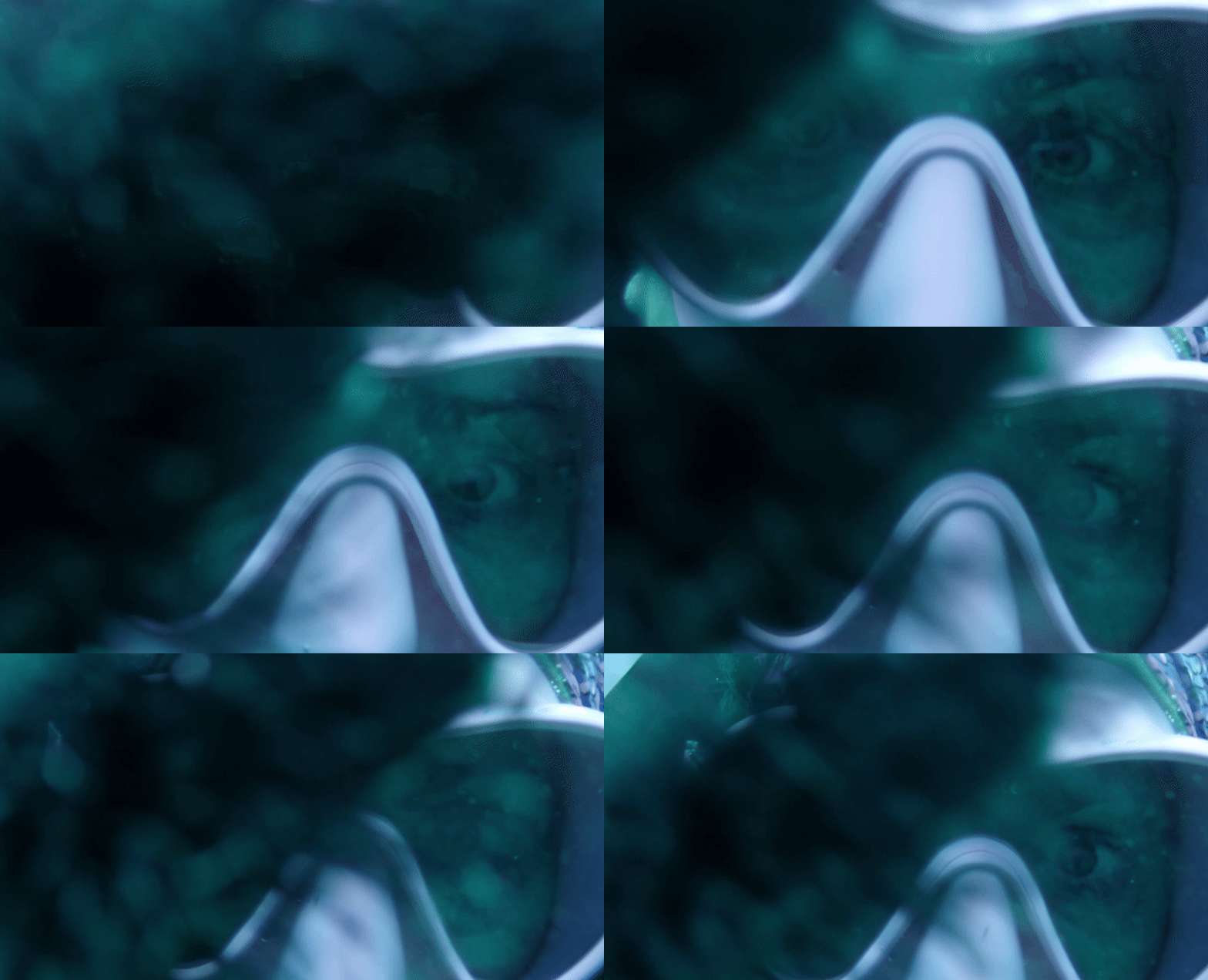
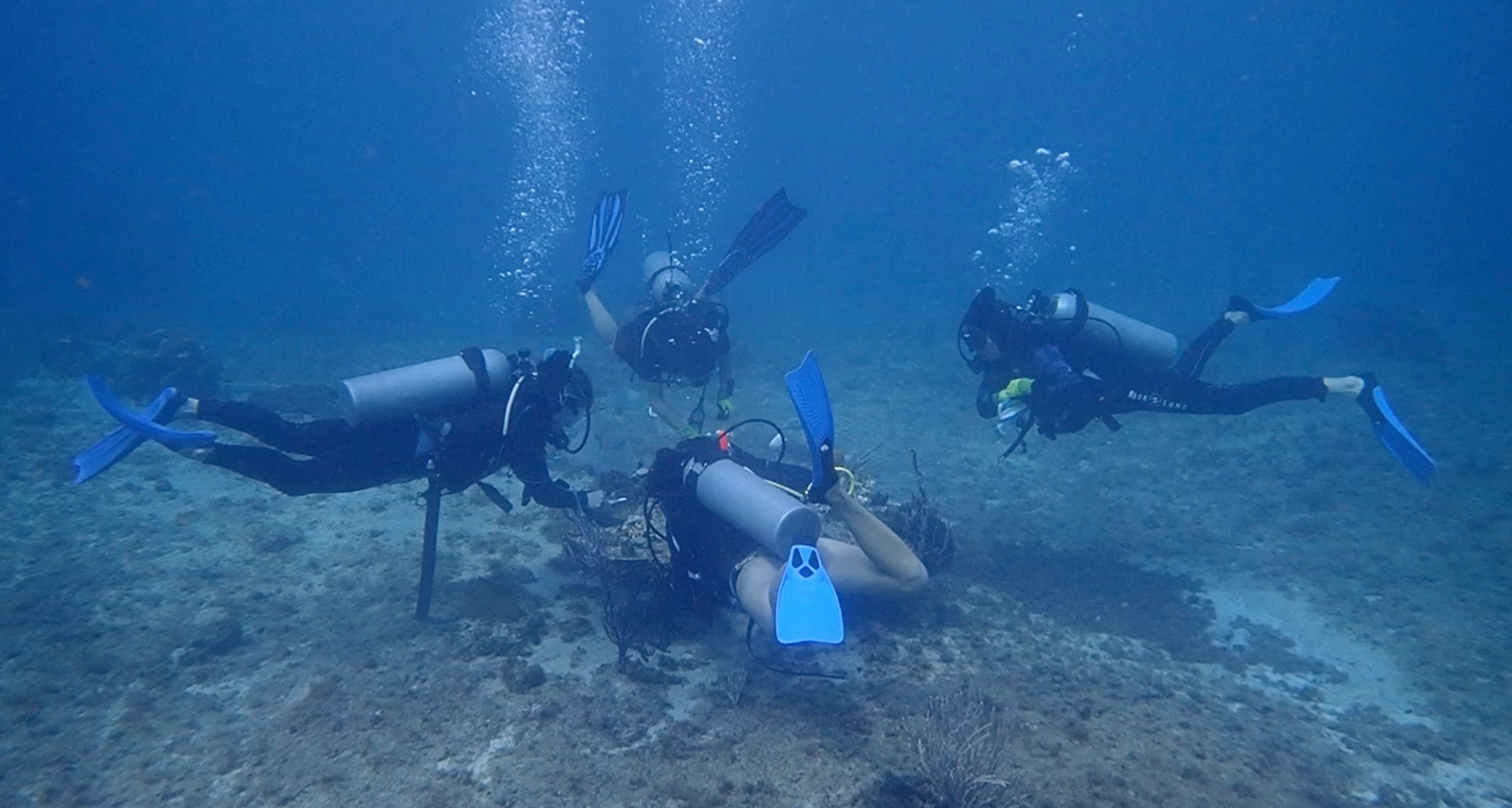
Island of Swallows brings the audience into Cozumel's delicate reality through the eyes of German Mendez, a marine biologist who has dedicated the past 30 years to planting corals. His painstaking work on the seafloor provides a stark contrast to the luxury offered to the thousands of tourists arriving daily. It is this juxtaposition that is central to the film’s visual style and which gives the film a humanist approach to a complex topic.
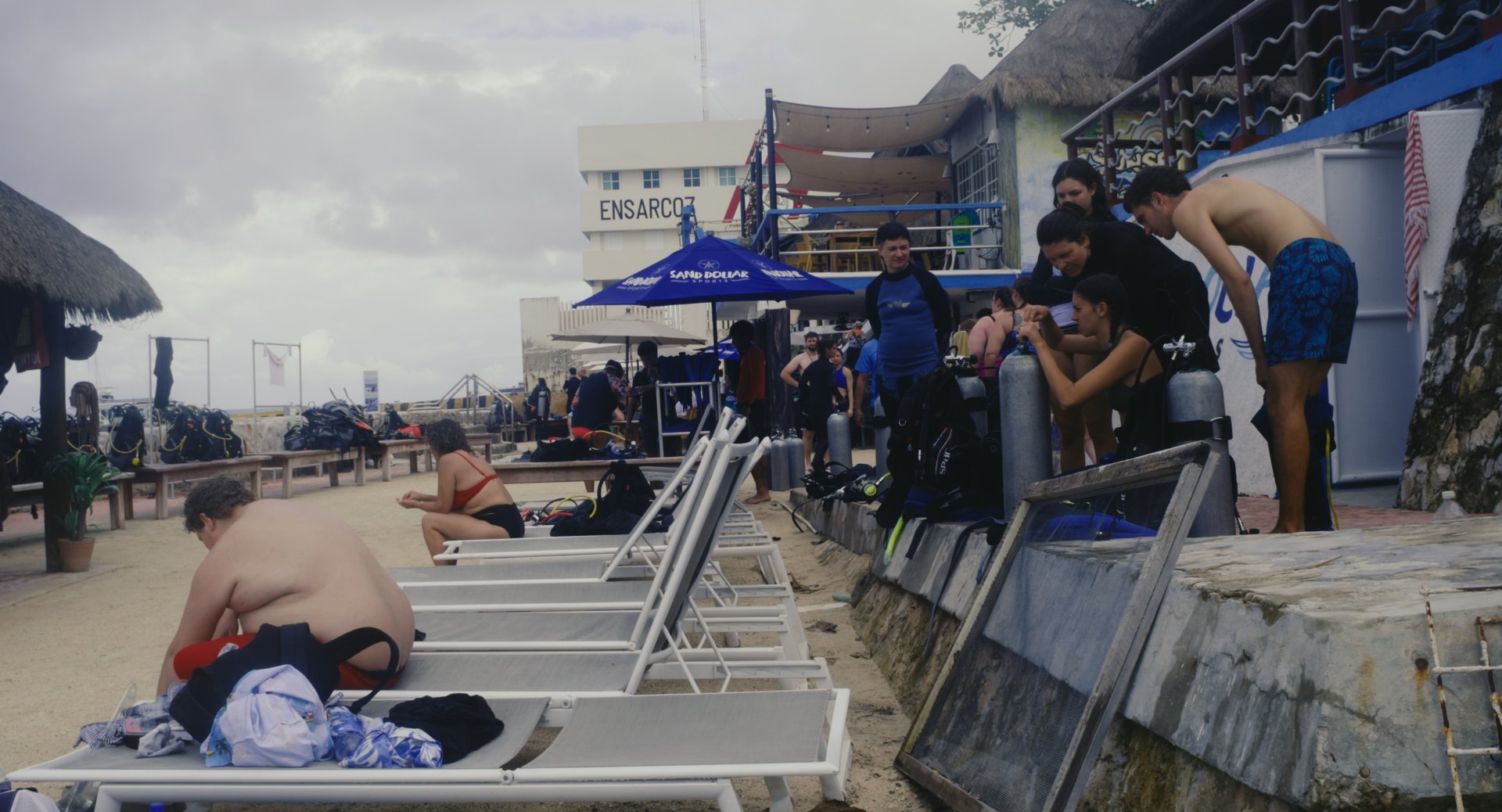
Through intimate interviews and verité footage, the film illustrates how this surge of tourism affects more than just the environment. Tourists often disembark—many even booking diving tours with German’s own Coral Reef Restoration Program—unaware that their very visit exacerbates the problems. The film unfolds as a meditation on purpose and escapism - two parallel forces that shape how we choose to live, or look away.
On the surface, Island of Swallows profiles local activists confronting powerful corporate interests determined to expand the tourism industry. But at its heart, the film grapples with an existential question relevant to our time: How do we hold fast to our desire to improve the world amidst the overwhelming challenges of climate change and powerful, indifferent decision-makers?
Through a planned impact campaign and robust hybrid distribution plan, the film will be shared with global audiences, catalyzing real-world change by promoting sustainable tourism, supporting coral reef restoration efforts, and advocating for cruise ship reforms.
WHAT'S HAPPENING IN COZUMEL?
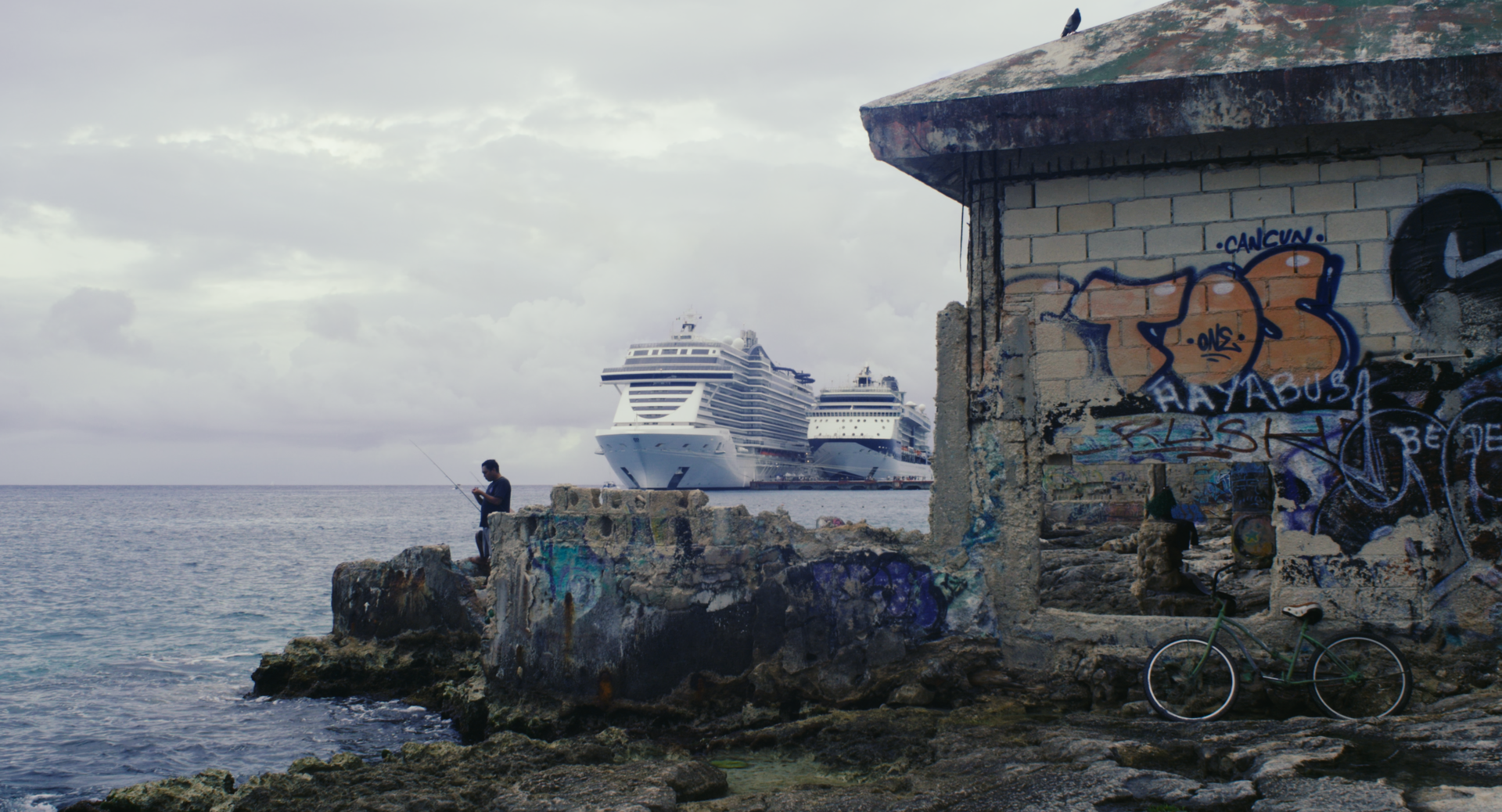
With a population of roughly 85,000, the Mexican island of Cozumel has become one of the top cruise ship destinations in the world, averaging nearly 100,000 visitors per week. The resulting ripple effects include: wastewater contamination, habitat loss, and the erosion of local culture as corporate-driven tourism redefines the island's economy and identity. Most notably, the coral reefs around the island - part of the second largest barrier reef system in the world - have been decimated in the past several decades, with many blaming over-tourism as the main culprit.
Today, cruise ship companies like Royal Caribbean Group are continually looking to expand their operations on the island, often without consideration for how it will affect the local communities and ecosystems. Thankfully, there are many activists and organizations in Cozumel and beyond fighting back. Our project documents some of those fighters and the important work they are doing.
Across the Gulf of Mexico, a family with two children slam their doors and trip over oversized suitcases as they rush to a taxi waiting by the curb. A long-awaited holiday for the parents and an ecstatic adventure for the children. Soon, they’ll board a cruise ship—larger than the buildings lining the Miami skyline.
WHY IS THIS IMPORTANT?
The Mesoamerican reef that lies within the Caribbean Sea plays a crucial role in the fishing industry, protection for coastal communities from storms, and overall ocean health. In fact, coral reefs are responsible for supporting 25% of all marine life! The near total collapse of the reefs around Cozumel is detrimental for the environment as well as the local economy. Without proper regulation of the growing tourism industry in Cozumel, further damage will be inevitable.
Moreover, the tourism industry as a whole accounts for 10% of global consumption and 40% of tourism emissions come from transportation, which includes cruise ships. We firmly believe that if travelers knew more about these issues, they would make more responsible decisions when booking their travel plans. To be clear, we do not want to end or demonize tourism - we simply want to make it more sustainable and beneficial for all!
Soon, the family’s ship docks at one of many piers on Cozumel. They step onto the island, so foreign to them. Meanwhile, Germán gears up to lead another tour. In a short time, the family and Germán will meet—to face the uncomfortable reality of their vacation.
Germán takes them on a tour of the island. With a mixture of fury and almost pleasure, he shows them the destruction brought by tourism. The family watches—stunned—as their fantasy melts into the barren ashes of the trees below them.
HOW CAN YOU HELP?
We are actively seeking additional funding to help finish our documentary and share it globally via a comprehensive social impact campaign, wherein we will screen the film around the world for audiences interested in learning more about marine conservation and sustainable tourism.
If you would like to partner with us or share your story, please reach out to us via email.
And you can follow us on social media to follow along our journey!
Our donation link, contact information, and social media links are at the bottom of this page.
Finally, you can make a difference to help the ocean and coastal & island communities by learning more about how to become a Responsible Traveler and by supporting marine conservation efforts in your city or around the world! Thank you!

Kaito Sashihara Martínez
| director / producerKaito Sashihara Martínez is a half Japanese half Spanish director and cinematographer focused on multicultural productions. He previously worked on productions across Spain, Germany, Mexico, Portugal, Sweden, and Japan. His skill set in niche guerrilla style productions paired with his underwater cinematography has set him on a path to a free-flowing journalistic working style.
Currently based in Berlin—where he earned his BA in Film Production from Catalyst Institute for Creative Arts—his debut short film “Pelargonía” led him to participate in the 78th Cannes Film Festival in the Short Film Corner. He is currently working on his first documentary feature as well as in pre-production for a fiction feature and an animated short film.
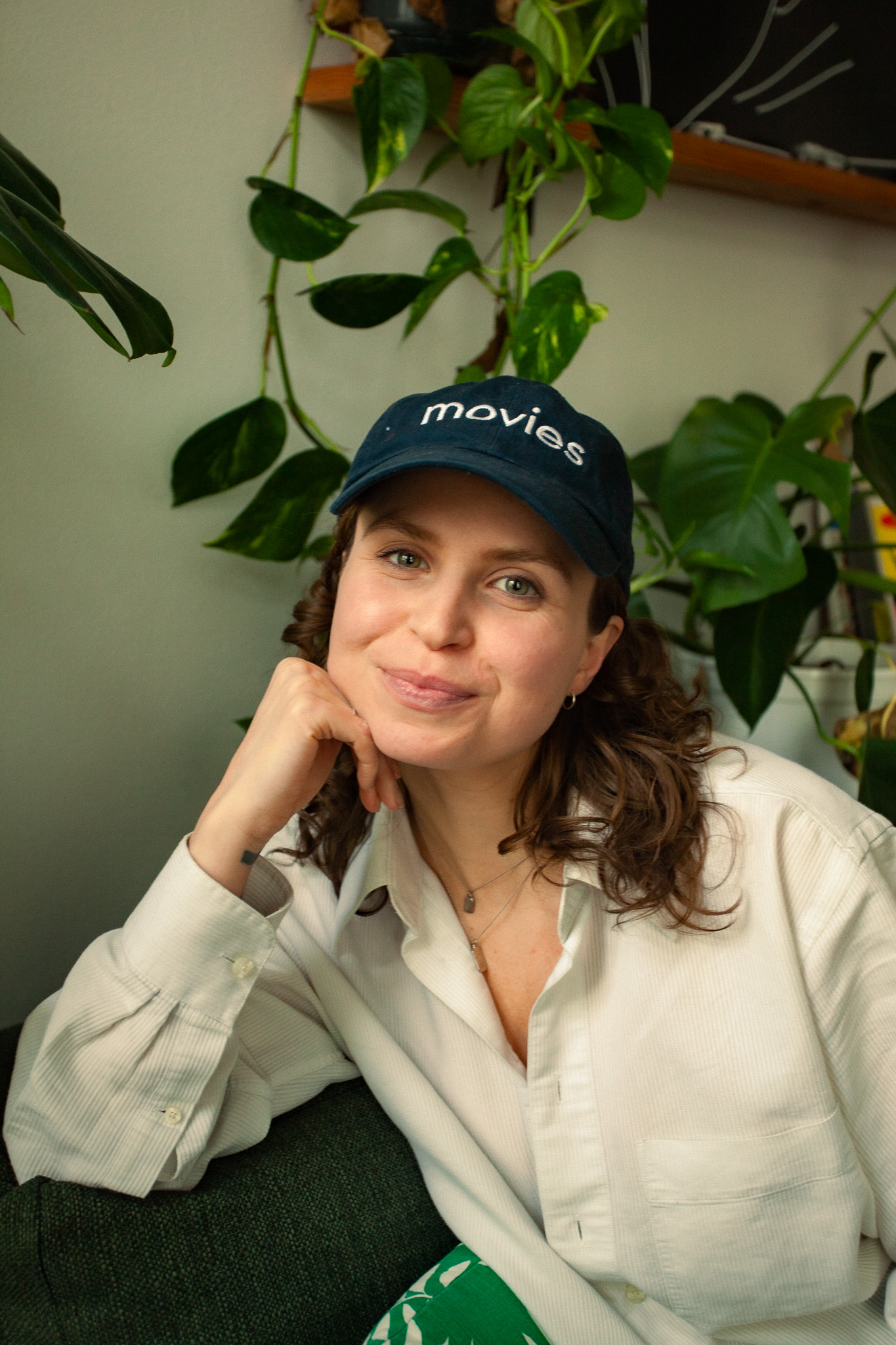
Jenny Jo Stokka
| ProducerJenny Jo Stokka is a creative producer with a passion for international auteur-driven cinema. She has produced films across Germany, Spain, and the U.S., and previously worked as a production coordinator in the fastpaced world of New York advertising. In 2022, Jenny earned her MA in Creative Producing from Catalyst Institute for Creative Arts in Berlin, where she sharpened her narrative instincts and collaborative leadership style.
In 2024, Jenny wrapped production on her first feature, “Berlin Loop,” slated for release in Fall 2025. Currently, Jenny is developing her second narrative feature, as well as her first documentary feature. Her work emphasizes inclusive, sustainable production practices and international collaboration. In 2025, she joined the producing team at Cota Mil Producciones in Barcelona, expanding her reach within the European market
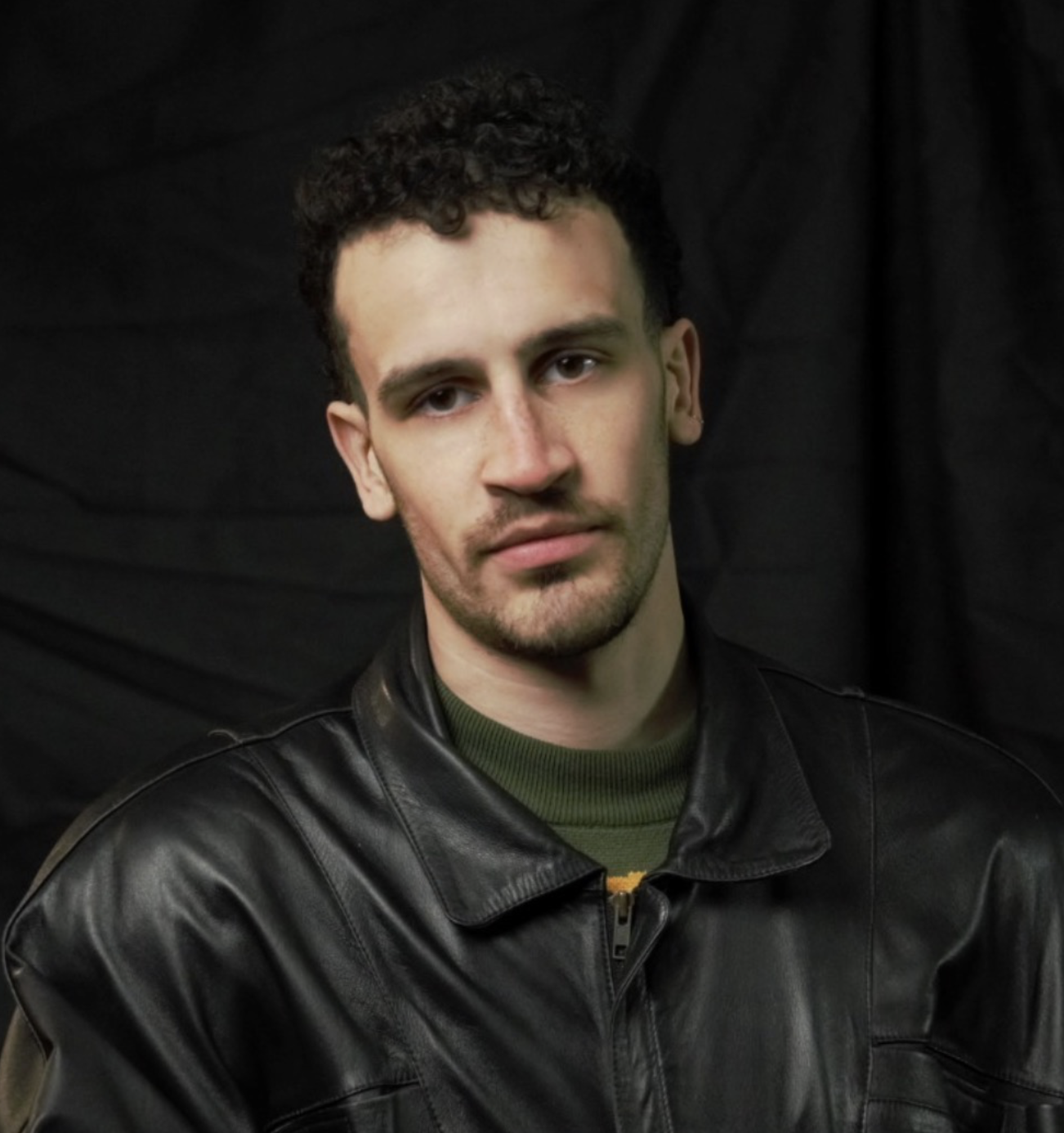
Marco Puerto Marquès
| CinematographerMarco Puerto Marquès is a Spanish director and cinematographer with a focus on socially conscious and experimental cinema. He has spent three years working in Berlin, developing a versatile approach across documentaries, experimental short films, and narrative projects. His latest short film, Pelargonia, exploring depopulation in Spain, was selected for the Cannes Short Film Corner. Marco continues to expand his practice, working on new documentary and experimental projects while exploring innovative storytelling techniques.

Support the Film
If you want to make a donation to the film, you can support us through our fiscal sponsor. Any amount matters — thank you for your support!
Fiscal Sponsorship
HELP US!Contact
Capturing stories, preserving truths.
Jenny Jo Stokka | PRODUCER
Website: jennyjostokka.com
Instagram: @jennyjostokka
Phone: +49 157 7097 8689
Email: jenny.s@islandofswallows.com
Kaito Sashihara Martinez | DIRECTOR
Website: kaito-sashihara.com
Instagram: @kaito.sashihara
Phone: +49 176 8080 5934
kaito.s@islandofswallows.com